Source Highlighter Stick Options for Office, School, and Promotional Use
Explore 30 available highlighter stick products suitable for office, school, and promotional applications. Compare features such as waterproof ink, double-headed designs, and custom logo printing to find the right solution for your needs; compare the available evidence and request quotations based on your requirements.
Key considerations
Products List


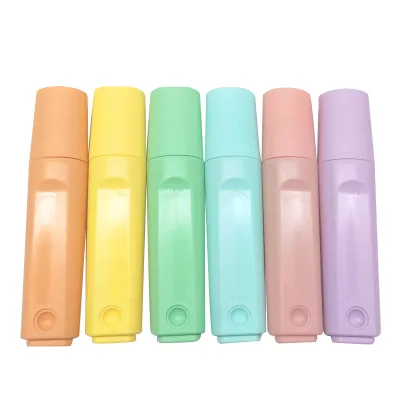


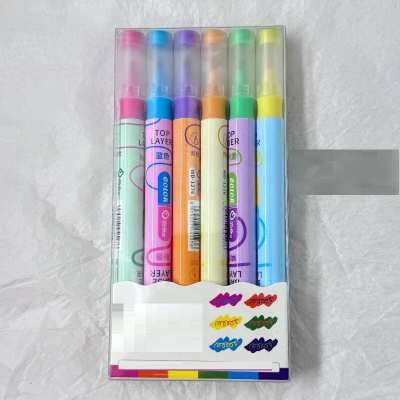
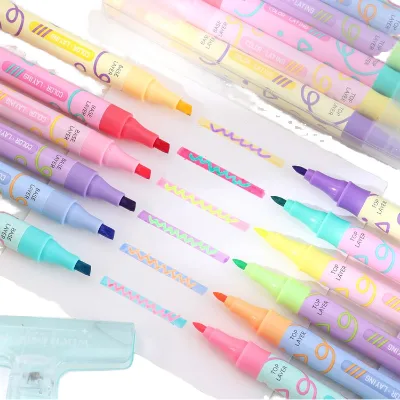
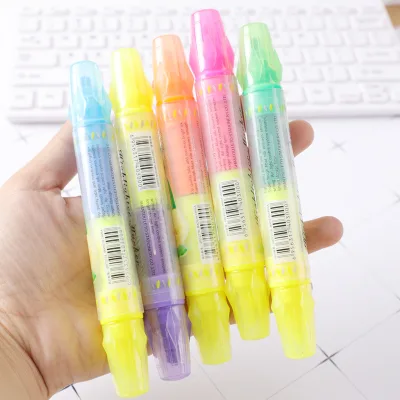


Comprehensive Sourcing Guide
Highlighter Stick Sourcing Guide
Sourcing highlighter sticks requires a clear understanding of the diverse product attributes available in the current market. Buyers must distinguish between standard office markers and specialized promotional items, as the functional requirements vary significantly. The observed product landscape includes items with double-headed designs, cylindrical appearances, and various nib parameters, indicating a broad spectrum of utility. Procurement teams should prioritize the specific use case, whether for office organization, school supplies, or promotional giveaways, to narrow down the vast array of options.
The decision-making process must also account for customization capabilities and branding needs. Many suppliers offer logo printing and multi-color options, which are critical for corporate gifting or educational campaigns. However, the presence of features like waterproof ink or erasable properties can drastically alter the product’s suitability for different environments. Buyers need to evaluate these technical specifications against their operational requirements to ensure the selected highlighter sticks meet both functional and aesthetic expectations without compromising on quality or durability.
Product Scope and Observed Listing Signals
The current market for highlighter sticks presents a wide range of product types, from basic office markers to creative promotional tools. Observed listings indicate a price range that suggests significant variation in quality and material composition. Buyers should note that some products are marketed as permanent ink markers, while others are designed for dry or wet erase surfaces. This divergence in ink type necessitates careful verification of the intended writing surface to avoid purchasing incompatible products. The scope extends to various packaging formats, including paper boxes and transparent OPP plastic bags, which impact storage and distribution logistics.
Further analysis of listing signals reveals diverse physical specifications, such as sizes ranging from normal dimensions to specific lengths like 11.4cm or 15X10X10 cm packages. The hardness of the nib, described as medium soft, and the appearance design, often cylindrical, are key differentiators. Some products are explicitly labeled as double-headed, offering versatility in line width, while others are single-ended. These observed attributes provide a baseline for comparison, but buyers must verify each claim against their specific needs, as not all listed products satisfy every potential requirement.
Technical Specifications to Verify
Verifying technical specifications is crucial for ensuring the highlighter sticks meet operational demands. Buyers should confirm the nib parameters, such as oblique brush tips or standard points, as these affect writing precision and coverage. The ink performance, including iridescent or permanent properties, must be validated to ensure it aligns with the desired visibility and longevity. Additionally, the covering power of the ink, whether it obscures underlying handwriting or remains translucent, is a critical factor for users who need to annotate existing documents without losing context.
Packaging and physical dimensions also require close scrutiny. The single package size and gross weight influence shipping costs and storage efficiency. Buyers must verify if the product is sold as a single item or in sets, as this affects unit economics and inventory management. The model number and brand name, such as Dekopeko or F-15, can serve as reference points for consistency across orders. Ensuring that the hardness and tip type match the user’s preference for pressure and control is essential for maintaining writing comfort and efficiency in high-volume usage scenarios.
Compliance and Safety Documentation
Compliance with safety standards is non-negotiable, especially for products used in educational or office environments. Buyers must request documentation for certifications such as ISO, MSDS, FDA, and GMP, which indicate adherence to quality and safety protocols. These certifications ensure that the materials used in the highlighter sticks, including the plastic packaging and ink components, are safe for handling and do not pose health risks. Verification of these documents helps mitigate liability and ensures that the products meet international regulatory requirements.
In addition to certifications, buyers should inquire about specific safety standards relevant to the target market, such as EN71 for toy safety or ISO 22716 for cosmetic good manufacturing practices, if applicable. Although some listings may not explicitly state these standards, it is the buyer’s responsibility to confirm compliance. Proper documentation also includes shelf life and period-after-opening (PAO) information, which are typically listed as 36 months and 12 months respectively. This information is vital for inventory planning and ensuring that products are used within their effective period.
Cost Drivers and Commercial Terms
Cost drivers for highlighter sticks include material quality, customization complexity, and order volume. The observed minimum order quantity (MOQ) ranges from 6 to 20,000 units, allowing for flexibility in procurement strategies. Buyers should negotiate terms based on the desired customization level, such as logo printing or multi-color options, which may incur additional setup fees. The packaging material, whether plastic or paper, also influences cost, as does the inclusion of promotional features like creative designs or specific nib types.
Commercial terms should be clearly defined to avoid hidden costs. Buyers must clarify whether the quoted price includes shipping, taxes, and any customization charges. The selling unit, whether single items or sets, affects the final cost per unit. Additionally, the place of origin, such as Anhui or Zhejiang in China, can impact logistics costs and lead times. Understanding these variables allows buyers to make informed decisions and negotiate favorable terms that align with their budget and supply chain requirements.
Supplier Qualification and Quality Control
Supplier qualification is a critical step in ensuring consistent product quality. Buyers should verify the supplier’s production capabilities, including their ability to handle customization requests and maintain quality control standards. The presence of certifications like ISO and GMP suggests a commitment to quality, but buyers should also conduct on-site audits or request third-party inspection reports. This due diligence helps identify potential risks and ensures that the supplier can meet the required specifications consistently.
Quality control measures should be established before placing large orders. Buyers must define clear acceptance criteria for product attributes such as ink performance, nib hardness, and packaging integrity. Regular sampling and testing during production can help detect defects early and prevent costly recalls. Establishing a strong relationship with the supplier through clear communication and mutual expectations fosters trust and ensures that any issues are addressed promptly. This proactive approach minimizes disruptions and maintains the integrity of the supply chain.
Long-Term Procurement Checks
Long-term procurement success depends on continuous monitoring and evaluation of supplier performance. Buyers should track key performance indicators such as delivery times, product consistency, and responsiveness to issues. Regular reviews of supplier certifications and compliance documentation ensure that they remain up-to-date with changing regulations. This ongoing vigilance helps maintain high standards and prevents potential disruptions in the supply chain.
Additionally, buyers should stay informed about market trends and technological advancements in highlighter stick production. This knowledge allows for proactive adjustments in sourcing strategies and product specifications. Engaging in periodic negotiations and exploring alternative suppliers can also provide leverage and ensure competitive pricing. By maintaining a dynamic and informed procurement process, buyers can secure reliable supply of high-quality highlighter sticks that meet their evolving business needs.
FAQs
What certifications do these highlighter sticks have?
These highlighter sticks are certified with ISO, MSDS, FDA, and GMP standards. These certifications ensure the products meet international safety and quality requirements for office and school use. Buyers can rely on these documented credentials for compliance and risk management in their procurement processes.
Can I customize the logo on these markers?
Yes, logo printing is available for these highlighter sticks. The customization option allows buyers to add their brand identity to the cylindrical plastic packaging. This feature supports promotional campaigns and corporate gifting needs while maintaining the standard multi-color appearance and medium soft hardness of the markers.
What is the minimum order quantity for these items?
The minimum order quantity ranges from 6 to 20,000 units depending on the specific product variant. Some sets require a minimum of 200 sets. This flexible MOQ structure accommodates both small trial orders and large-scale industrial procurement needs for office and school supplies.
How long is the shelf life of these highlighters?
The shelf life for these highlighter sticks is 36 months from the date of manufacture. After opening, the period after opening is 12 months. This duration ensures product stability and performance for promotional and office use, provided they are stored in their original plastic packaging.
Where are these highlighter sticks manufactured?
These highlighter sticks are manufactured in China, specifically in the Anhui and Zhejiang regions. This origin ensures access to established manufacturing infrastructure and supply chains. Buyers can expect consistent production quality and reliable logistics from these specific Chinese locations for their sourcing requirements.
What ink types are available for these markers?
These markers feature dry erase, wet erase, and permanent ink types. The permanent ink variant is suitable for paper usage, while other types support office and school environments. This variety allows buyers to select the appropriate ink performance for their specific writing and erasing needs.